RSS

Welcome to the Mitten Real Estate Blog, If this is your first time reading our blog we hope you will enjoy the content provided, we have many archived article that you may find informative.  The real estate market in the fraser valley has been quite busy lately especially in the detached sector.  Today we would like to briefly talk about the announcent on interest by the bank of Canada toady.


Interest Rates and the housing market


Today the bank of Canada suprised the markets by lowering interest rates by 0.25%, which leaves the overnight interest rate at 0.75%.  Although this was not an expected move, a number of financial comementators did believe that this could and would happen.


As a general rule this is good news for potential home buyers and those with variable rate mortgages as it means the cost of borrowing money should be reduced.


http://mitten-realty-services.com/blog.html/interest-rates-a-quick-finance-lesson-for-the-savvy-real-estate-invest-3370179


If you would like to see the press release by the Bank of Canada that can be found here:


http://www.bankofcanada.ca/2015/01/fad-press-release-2015-01-21/


If you have any real estate realted questions or questions about anything you see in our blog please feel free to contact us as we are always happy to help you.  You can contact us through this website or call us directly at 604-882-8384 we would be happy to assist you.


Sincerely,


Doug, Bonnie and David Mitten.

(Mitten Real Estate Team).

Read

Introduction:


Welcome to the Mitten Real Estate Team’s Blog.  If you are a first time reader or a regular reader we would like to thank you for taking the time to read our Blog, we hope that you will find the information provided here both helpful and informative.  If you ever have any questions about one of our articles or anything real estate related please feel free to contact us we would be happy to speak with you.

For this week’s Blog article we wanted to bring you some information on what a depreciation report is.  Many people have heard the term, but do not really understand what a depreciation report is, we would like to give you some information on it.


Relevant Legislation:


BC Depreciation Report Legislation


In December 2011, the British Columbia Provincial government passed legislation which requires Strata Corporations in the province to produce a detailed report called a ‘Depreciation Report’.   The legislation gave Strata corporations until December 31. 2013 to comply.  Exemptions include Strata corporations with less than 5 lots.  Additionally any strata corporation can exempt themselves by a ¾ majority vote by their members.


Documents Strata must provide for the Report:


Strata Documents for Depreciation Report


When having a depreciation report a strata corporation must provide the following documents to the person preparing the report:

• Operating budget

• Current balance sheet, including the contingency reserve fund balance and any investments & assets

• General ledger

• Copies of invoices relevant to operations and repairs

• Current insurance certificate or insurance appraisal

• Any reciprocal easements/Service agreements/Air Parcel Agreements

• Any leases and licenses (enterphone systems, parking garage use )

• Any agreements granting third party use and access of the strata property

• Prints, plans and drawings – architectural, structural, mechanical, electrical, fire protection and other systems.

• Any prior investigation reports: maintenance, repair, investigation etc.

• Annual fire inspection report

• Maintenance manuals

• Maintenance logs

• Registered strata plan & any amendments

• Registered bylaws & any amendments

• Any bylaws where the strata corporation has taken responsibility for the maintenance and repair of part of a strata lot

• Any information & bylaws relating to sections

• Any registered allocations of Limited Common Property

• Any alteration agreements where an owner has taken responsibility for the cost of the maintenance or renewal of the alteration

• Lawsuits or arbitration decisions that impact property use, maintenance repair or obligation.


Who Can Prepare a Depreciation Report:


The government also has legislated who is allowed to prepare a depreciation report for a Strata Corporation, the act states the following:


Regulation 6.2(6) broadly defines who is qualified to develop your depreciation report. (6) For the purposes of section 94 (1) of the Act, “qualified person” means any person who has the knowledge and expertise to understand the individual components, scope and complexity of the strata corporation’s common property, common assets and those parts of a strata lot or limited common property, or both, that the strata corporation is responsible to maintain or repair under the Act, the strata corporation’s bylaws or an agreement with an owner and to prepare a depreciation report that complies with subsections (1) to (4).


Several of the following professions may have the skills and qualifications necessary to prepare a

depreciation report:


• A person who is a registered professional engineer with the Association of Professional

Engineers and Geoscientists of B.C.

• A person who holds a certificate of practice within the meaning of the Architects Act of B.C.

• A person who is a member of the Real Estate Institute of Canada and holds the designation of a certified reserve planner

• A person who is a member of the Appraisal Institute of Canada

• A person who is a member of the Canadian Institute of Quantity Surveyors and holds the designation of professional quantity surveyor.

• Other persons who meet the qualifications and skills required.


 Any one of the above designations unto itself is not a complete representation of a person’s

qualifications or skills. A depreciation report requires technical, financial planning, and management

skills. This combination of expertise may be difficult to find in one individual. Depending on how

complicated and extensive a strata corporation is, this may mean a depreciation report is prepared by a team of professionals rather than an individual.


Technically, speaking the regulation also does not prohibit a Strata Corporation from preparing their own report, however given the scope and the large number of responsibilities any Strata Corporation should be cautious about producing their own report, an errors may expose the Strata to liability. Furthermore proper disclosure of the Strata having prepared the report would also be required, in such a case.


What Topics Must Be Included In The Report?


• An inventory of the strata corporation’s common property common assets, and any limited common property or part of a strata lot that the strata corporation has a duty to maintain, repair and renew.

• An evaluation of the inventory by performing a physical review of the site and the components.

• Provide an evaluation that addresses the following requirements:

o Estimate the service life of the assets over the next 30 years

o The anticipated maintenance, repair and replacement costs that usually occur less than once per year

o Evaluation of the components ( the current condition )

o Financial evaluation of the factors and assumptions used in estimating the costs over the 30 year period

o A description of how the contingency reserve fund is currently being funded, along with a current balance, minus any expenditures that have been approved but not yet taken from the fund, and

o At least three cash flow models for the contingency reserve fund relating to the maintenance, repair and replacement over 30 years.


How Often Must a Depreciation Report Be Done?


 The regulation specifies that a new report must be obtained three years after the last one. These

subsequent reports may be less expensive than the original baseline report as some of the information and modeling will only require updating. However, the new report must still include on-site visual

inspections and cover at least 30 years from that date. Be aware that, in addition to your assets having aged since the last report, interest rates, inflation rates, and the cost of items and labour will likely have

changed.  Some experts advise that depreciation reports should cover the entire expected life of the building rather than the minimum 30 years required. Such a report may be no more expensive and would give the strata corporation better information to use in planning, saving and equitably allocating costs between present and future owners.


Other information:


As you can see by the information given above the purpose of the depreciation report is to take stock of the assets of the strata corporation and to them project the estimated maintenance cost for the strata to maintain its structures in a good state.  This information will be used by future buyers to assess how well the building is maintained etc… it may also be used by insurance companies and other entities. 


However as was mentioned earlier it is possible for a Strata Corporation to exempt itself from the report by way of a ¾ vote by its members.  The main Reason for this is the cost of repairing the report, where some strata’s reason they would be better served spending money on maintenance than writing a report.


If you would like to learn more about depreciation reports, please visit the following link for even more detailed information:


http://www.choa.bc.ca/_members/_pdf/400/400007%20Depreciation%20reports%20Jan%201%202014.pdf


Conclusion:


We Hope that this article on Depreciation Reports was helpful and informative to you.  If you have any questions about this article or anything else related real estate please feel free to contact us we would be happy to assist you.  We can be contacted through this website or by phone at 604-882-8384.


Sincerely,

Doug, Bonnie and David Mitten

(MITTEN REAL ESTATE TEAM)

Read

Dear readers of Mitten Real Estate Team blog, we very much appreciate you taking the time to read our blog.  


Weather you are a current client, prospective client or just a reader who enjoys the content provided here we would like to invite you to our customer appreciation day, which is tomorrow December the 6, 2014 starting at 5:30pm - 7:30pm. Located at 20585 Fraser Highway, Langley City (British Columbia, Canada).


 We always enjoy seeing our clients and if you are a reader or a prospective client we would really like to have the opportunity to meet you in person as well and we would be happy to answer any real estate questions you might have. Additionally we know as a reader it is always nice to be able to meet the person who writes this blog.   


So if you have any real estate questions or would like to meet us in person please stop by we would love to catch up with you or have the opportunity to meet you for the first time.


Information about the event can be found here:


http://mitten-realty-services.com/events.html


If you have any trouble finding our office please call us at 604-290-5480.


Oh and we will be serving lots of Hot Chocolate and christmas goodies and there is a parade taking place in front of our office so please bring the whole family for an evening of family fun.


Here are a few of the Christmas goodies we look forward to sharing with you...


Christmas Treats


We look forward to seeing you at our customer appreciation day tomorrow.


Sincerely,


Doug, Bonnie and David Mitten

(MITTEN REAL ESTATE TEAM)

Read

Welcome to the Mitten Real Estate Team Blog, whether this is your first time reading our blog or if you are a regular reader we would like to thank you for taking the tie to read our blog.  We hope you will find the information provided both informative and helpful and if you have any questions about what we have written please don't hesitate to contact us, we will be happy to talk with you.


Earlier today the bank of Canada announced that it has decided to hold interest rates steady at 1% where they have been since September 2010.  In its report the bank of canada notes that although inflation is a bit higher than expected, the current policy is still appropriate and the Canadian economy is showing signs of a broadening recovery even with lower oil prices.


For a real estate prospective a low prime interest rate means that it costs less to finance the purchase of a home which is good news for home buyers and those home owners looking to renew thier mortgages.  


If you would like to know more about interest rates and how they affect the housing market please visit our earlier blog post which can be found here:  


http://mitten-realty-services.com/blog.html/interest-rates-a-quick-finance-lesson-for-the-savvy-real-estate-invest-3370179


If you would like to view the PDF report made by the Bank of Canada for this latest announcement please visit this link:


http://www.bankofcanada.ca/wp-content/uploads/2014/10/fad-press-release-2014-12-03.pdf


At Mitten Real Estate Team we would like to thank you for taking the time to read this Blog article and if you have any questions about this article or any other real estate realted questions please feel free to contact us we wouls be happy to assist you.  We can be contacted through this website or you can phone us directly at 604-882-8384.


Sincerely,


Doug, Bonnie and David Mitten.

(MITTEN REAL ESTATE TEAM)
Read

Introduction:


Welcome to our mitten real estate team blog, whether you are a first time reader or a regular reader we would like to thank you for taking the time to visit our blog today.  If you have ever wondered you’re your home is worth you will enjoy this article. This week are going to be talking about how our home evaluations work and how they can work for you.  We are writing this article because recently some of our clients were surprised to learn that we are happy to offer free no obligation home evaluations so we just wanted to be sure that all of our clients and prospective clients know this is a service we are happy to offer to you.

In addition to providing you with a free home evaluation when you are thinking of selling we are also happy to offer you a free home evaluation even if you are not thinking of selling right now but want to know what the market value of your home is.


What is My Home Worth?  (Fraser Valley)


Times you may want a home evaluation:


There are many situations where you may want a home evaluation and in many cases you may not even be thinking of selling your home, some examples are:


1.)    If you were considering renovating your home but didn’t know if the renovation made financial sense or what type of renovation gives the best return in your situation.


2.)     If you were thinking about buying a fixer-upper home to flip but wanted to know if you would be likely to see a good return on your investment.


3.)     if you need a professional opinion of value because you are thinking of refinancing,


4.)    You just want to know what your home is worth, etc…


5.)    If you are thinking of selling your home.


 In all of these situations we are happy to assist you even if you won’t be selling or buying right now…


The reason we are willing to provide this service is we know that to provide you with the best service we need to go the extra mile and help you with all aspects of your real estate decisions even when those don’t include selling or buying immediately.  We also know that by providing this service you will want to have us represent you when the time to buy or sell does come, and in addition we really do care about our clients and want to be sure you make informed real estate decisions.


How our Home Evaluations Work:


So you may be asking how does your home evaluation’s work?  And, what makes them different from every other agent’s evaluations?


We take the responsibility of estimating the market value of your home very seriously this is why WE DO NOT  just visit you home and immediately give you a dollar value based on gut feelings…


Instead we have a proven and detailed process(s) for valuing your home, investment or commercial property.


For residential properties what we like to do is start out by viewing your home, on this first trip we will view your home and you can tell us anything special about your home that we should know. We don’t usually give any opinions of value of this first visit…


Now that we are familiar with your home and have seen where it is located in person we will go and do some research, we will find similar homes that have recently sold in your area as well as similar homes that are for sale in your area…  But our research does not stop there….


Next we take those comparable sales and input a number of characteristic about those homes as well as characteristics about your home into a mathematical spreadsheet, which we have refined through years of experience), in addition to this quantitative component to our spreadsheet we also have a qualitative component to our spreadsheet.  In the qualitative portion of the spreadsheet we can look at and adjust for an unlimited number of factors relating to how your home compares to other similar homes that have sold.  For example how much your kitchen is worth compared to each of the kitchens in the comparable sales.  These adjustments are made based on our professional experience and professional opinions.  In total Most compehesve home evaluations are between 100 - 200 pages long!


Using this detailed method that combines quantitative and qualitative analysis we are then able to determine an estimate market value for your home which we feel is backed up by a thorough analysis and professional experience. 


Once our analysis is complete we will then call you and arrange to meet with you to discuss what your home’s estimated value is, and if you are thinking of selling what your home will be priced at…


While no home evaluation can ever tell you with 100% certainty exactly what a future buyer will be willing to pay for you home, in our experience we have found our home market evaluations to be quite accurate in most situations.


The reason we go to these lengths to determine the value is that we know decisions relating to real estate involve a lot of money so we want to be sure you are well informed so that you can make good decisions.


As a side note we also have a very detailed method for determining the value of commercial properties as well, however we won’t get into the details of that process in this article.


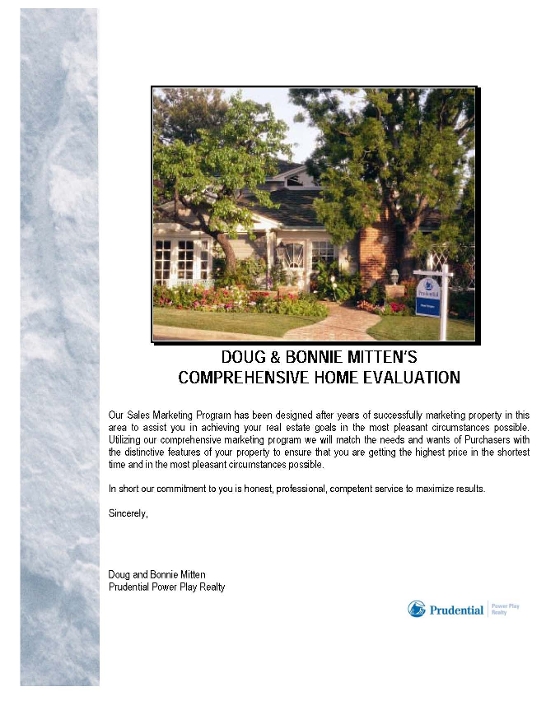
Our Compehensive Home Evalution

Comprehensive Home Evaluation (Fraser Valley)


Conclusion:


To conclude we hope you have enjoyed the brief description of how our home evaluations work and why we feel they have industry leading accuracy.  If you would like to have us preform a free no obligation market evaluation for your home regardless of if you are thinking of selling please let us know we would be happy to provide this service for you.

We can be contact through this website, or you can call us directly at 604-882-8384 we wuld be happy to assist you.


Sincerely,


Doug, Bonnie and David Mitten

(Mitten Real Estate Team)

Read

Introduction:


Thank you for visiting our blog, this week for our weekly blog article we would like to talk about the area of financing your real estate purchase.  Financing is a very important consideration when you are thinking of purchasing real estate. The reason for this is first, unless you have a lot of cash you won’t be able to make a purchase without financing and second, if a buyer ca not get financing at a reasonable interest rate and amortization the cost of financing may be too great.  Therefore it is very important for most buyers to be able to obtain financing at an affordable cost.  Additionally, for self-employed people buying a home or investment property can be a bit more challenging as lenders have added additional requirements that self-employed people must meet in order to qualify for financing.


Self-employed Home Financing  


If you are thinking of buying a home and need financing and especially if you are self-employed, understanding the requirements lenders will want you to meet is very important.  Equally important is receiving expert advice on the financing of your home.  While we are experts in the area of purchasing, selling and marketing real estate we are not mortgage brokers.  That is why if our clients are not yet working with a mortgage broker we put them in touch with an experienced mortgage broker who can guide them through the process of financing. 

Thus we would like bring you what some information about what is required for self-employed people to qualify for financing for Ken McLellan and Marcy Koopmans, who are experienced mortgage brokers with Canadian Mortgage Experts.


Here is What Mortgage Brokers Ken McLellan and Marcy Koopmans Had To Say:


A survey from the Canadian Federation of Independent Businesses indicates that for the first time in 4 months, “small businesses report higher levels of optimism.” The report from CKNW notes that while scores from 65-75 point to a growing economy, BC’s score rose from 56.4 in August to 59 in October, and that this reflects a similar trend across the country. It’s been clear for some time now that small businesses and self employment are more popular career choices than ever before, and while being your own boss comes with unique challenges and costs, there is no denying the appeal. New Westminster itself is home to many small businesses, and in fact, it’s one of the things that I most enjoy about the city. I could go on about the mix of independent and chain business and their locations in New West, but what I would really like to address is what to expect if you are working for yourself (also known as “business for self” or BFS) and you need to get a mortgage.


Where do you start?


If currently have a mortgage that you got while you were working at a regularly paying job, then you will likely be given a renewal offer by your lender when your mortgage maturity date comes up (i.e. the end of the term you initially agreed to, usually 5 years). This will be based on what they are currently offering for rates, though little else will change. Accepting a renewal offer usually means the lender does not re-qualify you; they don’t ask again for your pay stub or job letter or check your credit, as they assume if you’ve been making all your payments that you’re in the same financial situation as when your relationship began. However, if you are now BFS and want to switch to a new lender or you are getting an entirely new mortgage, then there are some pieces of information that it’s important to know.


The paperwork


Most lenders, if they are to give you their best available rate, want to see 2 years of employment. This goes for regular jobs as well, though there are exceptions for if you’ve just started at a new company but have been in the industry for many years, or you have just left school and begun working in a related field to your studies. The same goes for self-employed individuals. The difference is in how they calculate your yearly income. With a regular employee, the most recent year’s income can be used. For self-employed borrowers, however, a two-year average, taken from T4s or notices of assessment, is used (this is also how lenders will calculate and verify part-time work). In addition, lenders will usually want to see proof of business for self in the form of the business’s articles of incorporation or accountant-prepared T1 Generals. There are other programs available that don’t require income verification like this, however due to the increased risk to the lender, the borrower will need to pay a higher interest rate. Basically, what is most important for BFS borrowers is to have been working for themselves for at least two years, to have all tax documentation in order, and to have a realistic idea of how much money they made over those two years.


Every borrower is different


There are so many variables that can change what a particular person needs in a mortgage, so it’s fairly impossible to give universal advice. Furthermore, each lender is going to have its own standardsand requirements. In the BFS category, the requirements used to be less stringent, but as more and more people have been quitting their corporate jobs, and as the economy has struggled in other ways, lenders have tightened up their expectations for this kind of borrower. This is where a mortgage broker can really make a difference with increased knowledge of how to navigate borrowing when you’re self-employed


Ken and Marcy’s Blog can be found here:


http://newwestmortgages.ca/working-for-yourself/


Here is a link to their website:


http://newwestmortgages.ca/about/


Conclusion:


As you can see from the comments above self-employed buyers do need to meet a few extra requirements compared to those with conventional employment.  However with the right guidance getting satisfactory financing for you next real estate purchase can be accomplished.

If you have any questions about this article or any other real estate related questions please feel free to contact us we would be happy to assist you. We can be contacted through this website or you can phone us directly at 604-882-8384.


Sincerely,


Doug, Bonnie and David Mitten

(Mitten Real Estate Team)

Read

Introduction:


At Mitten Real Estate Team we would like to thank you for reading our blog.  This Week we are pleased to bring you our latest Blog article courtesy of the Fraser Valley Real Estste Board that we are a member of. This report gives some details of the market activity in the Fraser Valley during October of 2014, it is our hope that this article will be informative to both our current and potential clients.


Fraser Valley Real Estate Board's Comments on Report:


During October 2014 the Fraser Valley Real Estate Board processed 1,448 sales on its Multiple Listing Service (MLS®), an increase of 16 per cent compared to the 1,249 sales during the same month last year and 2 per cent more than in September.Fraser Valley Real Estate Board’s president, says, “Sales overall continue to outperform last year and as we’ve seen for anumber of months now are the best they’ve been in five years.


“Demand remains steady in our region for single family detached homes and townhomes. Last month, the market share of sales of single family homes increased by almost five per cent compared to last year; while the share of condo sales decreased by the same amount and we’re seeing that preference reflected in prices.”   


The MLS® Home Price Index (MLS® HPI) benchmark price of a detached home in October was $573,500 an increase of 4 per cent compared to October 2013, when it was $551,400.  The MLS® HPI benchmark price of townhouses increased 1 per cent from $295,500 in October 2013 to $298,500 last month. The benchmark price of apartments decreased year‐over‐year by 3.5 per cent, going from $199,500 in
October of last year to $192,600 in October 2014. In the last five years, the MLS® HPI benchmark price of a detached home in the Fraser Valley has increased by 16.6 per cent. For townhouses, the price is flat having increased by 0.5 per cent and for apartments; the price has decreased by 6 per cent.  The Board's President adds, “With the influx of new developments and a steady supply of resale units, we’ve never had a better selection of condos than we do right now at prices the lowest they’ve been in years. For those that say housing isn’t affordable in Metro Vancouver, you need to check out the opportunities currently for condo buyers in the Valley.”     


In October, new listings in the Fraser Valley increased by 3 per cent, going from 2,336 last year to 2,395 last month taking the number of active listings to 8,807, a decrease of 3 per cent compared to the 9,047 active listings in October of 2013. “Inventory is edging down, which is typical for this time of year,” says the board president. “The result is we’re seeing good quality homes that are priced right moving quickly.”


Conclusion:


If you would like to read the full PDF report pleas click on the link below:


http://www.fvreb.bc.ca/statistics/Package%20201410.pdf


As always if you have any questions about this article or any other real estate realted questions please feel free to contact us we would be happy to help you. we can be contacted through this website or you can phone us directly at 604-882-8384.


Sincerely,


Doug, Bonnie and David Mitten

(Mitten Real Estate Team)

Read

Introduction:


At Mitten Real Estate Team we are pleased to bring you this week's Blog article which  focuses on the typical expenses that you can expect when you are buying or selling your home.  We are bringing this article in the hopes that it will be a useful resource to both our current and potential clients.  The information we are providing is part of our  “Buyer Assistance Program”  and has been designed, after years of successfully assisting people to find and acquire the perfect property for them and to assist our clients in achieving thier real estate goals.  We will also provide information on the expenses that sellers can expect which derived from our "Seller's Assistance Program", which seeks to educate sellers on all the cost of selling.


Buyer Expenses:


One of the things which is important to buyers is that they know what the typical expenses involved in a purchase will be.  Accordingly we have put together the following outline of typical expenses which one would see in a typical purchase in the area which we service. It should be noted that each transaction is unique and may carry with it unique expenses and in order to ensure that you are fully apprised of all expense on your transaction you should work with a reputable real estate agent that you trust.


1.)     Home inspection:                                   $450.00 - $900.00


A Home inspection usually occurs after a buyer puts an accepted offer on a home, they will have the home inspected by a qualified home inspect to determine if there are any problems with the home before the buyer removes the subjects on thier offer.  This is very important in protecting buyers from hidden problems with a home.


2.)         Appraisal:                                                $150.00 - $400.00


An appraisal of the homes value is often times required by a bank before they will provide financing to the buyer, some banks do provide the appraisal for free while others may require potential buyers to pay for the appraisal.


3.)         Site Survey:                                            $400.00 - $600.00


A Site Survey essentailly shows the position of the buildings on the property to ensure that any buildings are infact within the property boundaries and are not over any property lines. A  Site Survey may be required as a condition of financing, alternativley title insurance can often times be obtained.  In Some cases there may already be a fairly recent site surey for a home however it is not always avalible in which ase a buyer may have to pay to have one produced.


4.)         Property Transfer Tax:                          1% on the first $200,000 and 2% there-after.


The Property Transfer Tax is a government imposed tax which buyers must pay when they purchase real estate.  There are certain exemptions that you may qualify for, so please contact us if you are thinking of buying or selling and we can disscus if you qualify for any exemptions.


5.)         Legal Fees:                                             $750.00 - $1500.00


6.)         Property Tax Adjustment:              Cost is dependant on the property taxes for the property.


The Property tax adjustment results from a monitary adjustment based on the amount of time the buyer and seller own the property during the purchase year.  

For Example if the buyer took possesion of the property on October 31, they would have to repay the seller for the remaining two months worth of property taxes which the seller would have already paid to the municipality.  Conversly. if the sale took place in march the seller would have to repay the buyer for property taxes due later in the year (that cover the whole year) that have not yet been paid by the seller.


7.)       Septic Inspection:                                       $600.00- $1,000.00


A Septic inspection is only required if the home uses a septic system to treat sewage.  If the home does use a septic system it is important to have the septic system inspected by a qualified septic inspector to insure it is in good working order (a new septic system can cost in excess of $20,000 - $30,000) or if repairs are required.


8.)        Water Test:                                                    $300.00 - $500.00                                                       


A Water Test is only usually required if the home is using a well.   A water Test is usually taken by taking a sample of the water from a property to a lab where they determine if it meets the standards set for drinking water.


9.)     Home Insurance:                                Cost is dependant on the replacement value of the home 


10.)   GST:                                                     Not usually payable on used residetial real estate 


GST is payable on all real estate,  EXCEPT USED RESIDENTIAL REAL ESTATE.  However thier are a few exceptions to this exemption.     This means that purchasers of bare land and new construction homes are usually required to pay GST while most purchasers of used residential real estate (for personal use) are not usually required to pay GST.


Seller Expenses:


In Addition to thier being costs associated with buying real estate there are also cost associated with selling real estate.  the following list should provide a good idea of what costs you can expect to incur when selling real estate.


1.)  Real Estate Fees:                                          Typicall 7% on first 100,000 and 2.5% there-after.


The real estate fees are split between the buyer's agent and the seller's agent.  The Real Estate Fees cover the cost of determining the value of the home, Marketing and advertising, MLS fees, strata documents,advise on sale preprations, negotiations, real estate agents time, equipment and signs, etc...  Real Estate fees are usually only payable if your home is suscessfully sold.


2.)  Legal Fees:                                                  $500.00 - $600.00


3.)  Prepayment Penalty for Mortgage:               Depends on mortgage terms.


A Pre-Payment Penalty on a mortgage cost depends on the terms of the mortgage.  Often times a bank may make a seller pay a penalty for paying off the mortgage early. In some case the bank may wave this penalty but in other cases they may require a seler to pay it.


4.) Property Tax Adjustment:                       Depends on time of prucahse and cost of property taxes


As was discussed in the buyers expenses section, this is a monitary adjustment based on the amount of time the buyer and seller own the property during the purchase year.  

For Example if the buyer took possesion of the property on October 31, they would have to repay the seller for the remaining two months worth of property taxes which the seller would have already paid to the municipality.  Conversly if the sale took place in march the seller would have to repay the buyer for property taxes due later in the year (that cover the whole year) that have not yet been paid by the seller.


Conclusion:


As always if you have any questions about this article or any other real estate realted questions please feel free to contact us we would be happy to assist you  we can be contacted through this website or you can call us directly at 604-882-8384.


 Additionally to be sure you are fully and correctly informed of all of the cost realted to your purchase and sale and to recieve the best quality service please employ us to assist you, we would be honored to assist you with your next home purchase or sale.


Sincerely,


Doug, Bonnie and David Mitten

(Mitten Real Estate Team)

Read

Introduction:


This week for our latest blog article we would like to give you some advice on how to keep you home safe while you are away or on vaction.  Since theft and vandlism is something that every home owner worries about while they are away we hope this article will be a useful tool in helping to keep you home safe while you are away.


Idea #1:  Suspend newspaper delivery and arrange for someone to pick up your mail, this will prevent mail or newspapers from stacking up, which gives aways that you are not home.


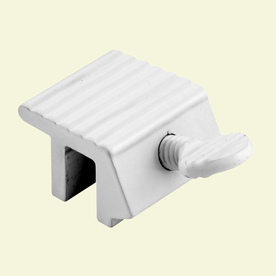
Idea #2:  Ensure all doors and windows are locked - for sliding glass doors, use locks specially designed to prevent the door from being lifted out of its track.


Home Window Lock

Window Locks for home security


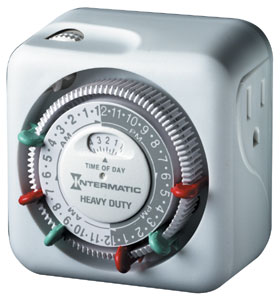
Idea #3: Use timers to turn lights, and possibly the TV or radio, on/off during the day and night.


Home Light Timer

Home light timer


Idea #4:   Have someone cut/water the lawn if you plan to be away for more than a week.


Idea #5:  Turn the volume down on the telephone so anyone outside can't hear it ringing for extended periods.


Idea #6:  Leave a generic message on your answering machine - never say that you are away on vaction.


Idea #7:  Secure all tools and ladders so they can't be used to break into your home.


Idea #8:  Trim shrubbery around doors and windows so there's nothing to conceal the actions of would-be intruders.


Idea #9:   Leave blinds or curtains in normal position - don't close them completely.


Idea #10:  Consider installing security bars on basement windows, especially those shielded from view or in the back of the house.


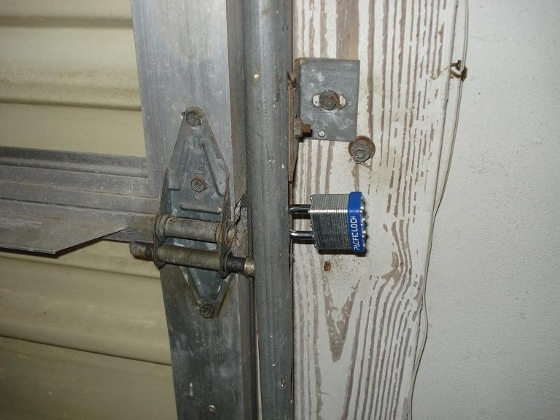
Idea #11:  Close and lock the garage door. You might even want to unplug your electric garage door opener and put a lock in the track of the garage door to prevent it from being forced open.


Garage Door Lock

Garage Door lock


Idea #12:  Remove anything of extreme value and put it in a safe place while you're gone.


Idea #13:  Make sure your home insurance doesn't expire while you're out of town and that it provides adequate coverage for your belongings.


Idea #14:  Tell someone where you're going, how to reach you in case of an emergency and when you'll be back.


Idea #15:  Ask a reliable neighbour to 'keep an eye' on your home and report anything suspicious to police.


Idea #16: Consider asking someone you trust to "house sit", especially if you plan to be away for an extended period of time.   If you notice signs of forced entry when you return home, do not go inside! Call the police from your cell phone or a neighbour's house.  Do not enter the house until you know there is no one hidding inside as many criminals may have weapons and be very damgerous or even mentally un-stable so it is best to avoid any chances of a direct confict.


Conclusion:


To Conclude we hope these ideas will help you keep you home safe while you are away on vacation.  If you have any real estate questions or are thinking of buying or selling your home we would be please to assist you.  You can contact us through this site or call us at 604-882-8384.


Sincerely,


Doug, Bonnie and David Mitten

(Mitten Real Estate Team)


Read

This week at Mitten Real Estate Team we would like to bring you the latest report on the Fraser Valley Housing market, produced by the Fraser Valley Real Estate Board.


SURREY, BC – The Fraser Valley Real Estate Board processed 1,419 sales on its Multiple Listing Service (MLS®) in
September, an increase of 25 per cent compared to the 1,131 sales during the same month last year, and an
increase of 9 per cent compared to sales in August.


The Board’s president, says, “Similar to this past summer, this is the busiest September we’ve had
since 2009 with sales of all property types combined out‐performing the 10‐year average by 13 per cent.
“Residentially, the single family detached home remains the preferred property type. From North Delta to Mission,
sales increased in every Fraser Valley community compared to last year with the price range of $400,000 to
$699,999 garnering almost sixty per cent of our total detached market.”


New listing activity was also brisk in September with the Board’s MLS® receiving 2,758 new listings, an increase of
16 per cent compared to last year, taking the total number of active listings by month‐end to 9,156, a decrease of
7 per cent compared to September 2013.


Werger adds, “An important factor underlying the housing market is consumer confidence and in our region that
confidence has been bolstered by the stability of home prices. Since March, the benchmark price of our three main
residential property types combined has remained flat, increasing by only 0.6 per cent.


“Long‐term, the value of single family detached homes has increased at a faster pace than it has for attached
properties, particularly in areas such as Surrey, White Rock, Langley and Abbotsford where we’ve seen many new
townhome and condo developments. The supply of new inventory has affected the price of resale product.”
The MLS® Home Price Index (MLS® HPI) benchmark price of a detached home in September was $569,800; an
increase of 3.1 per cent compared to September 2013, when it was $552,900. In the last six months, the
benchmark price of a detached home has increased by 1.1 per cent.


In September, the MLS® HPI benchmark price of Fraser Valley townhouses was $299,600; an increase of 1.1 per
cent compared to $296,200 in September of last year, and in the last six months has increased by 0.8 per cent. The
benchmark price of apartments decreased year‐over‐year by 4.7 per cent, going from $203,100 in September 2013
to $193,600 last month, and has decreased by 0.9 per cent in the last six months.


As Always if you have any questions about this article or any other real estate realted questions please feel free to contact us we would be happy to assist you.  We can be contacted through this site or you can call us directly at 604-882-8384.   Please check back next week to see our latest analysis of another local real estate market in the Fraser Valley.


Sincerely,


Doug Bonnie and David Mitten.

(Mitten Real Estate Team.)

Read

Introduction:


As time marches on our lives change and so to do our housing needs.  Usually when we are younger we strive for a larger home/ property with more space and possibilities.   Eventually as you get older that wonderful large home that you enjoyed for many years may become too large to suit your needs and the maintance and upkeep of you home may begin to seem like to large a task.


 Additionally, after retirement you may choose to travel and not want to have to worry about who will take care of your home when you are away.  Another consideration is that although we all hope you be in good health even in our latter years the reality is even if we stay in decent health eventually things such as stairs and uneven surfaces can become a problem for older home owners.   That’s why for our Blog article this week we would like to talk about housing options for seniors.


Over the years we have helped many seniors through the process of planning out their retirement housing needs so we are writing this short article as a service to our clients and potential clients who are considering what sort of housing they need in their golden years.

Deciding on the housing option that will suit you best in your golden years is often a process.   This process may take several months or even years.  In the end what is important is that you are able to choose the option that best suits your health, life style and financial needs.


What is your current Home worth?


What's you home worth?


There are a number of factors that go into the process of choosing your retirement housing options.  The first such consideration is financial planning.  To start you should determine is what your current home worth.  This is an important first step because for many people a good portion of their retirement wealth is tied to the value of their home and as a result the value of their home determines the housing options available to them.  If you are would like to determine the value of your current home we would be happy to assist you even if you are just planning for the future and are not ready to sell yet.


Determining Your Lifestyle requirements:


The next part of the process planning your retirement housing needs is to look at your lifestyle requirements and their associated costs. For example:

1.)    What type of care will you need and what is the cost of that care?

2.)    What will your retirement income be or need to be?

3.)    Estate Planning: do you want to leave money/assets to your heirs?

4.)    Where do you want to live?  Is there an area that is close to family you would prefer to live in?


After answering all of these questions you will be in a position to examine your housing options.  So what are your options?


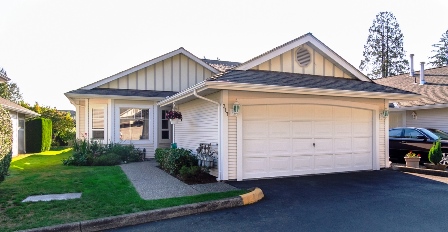
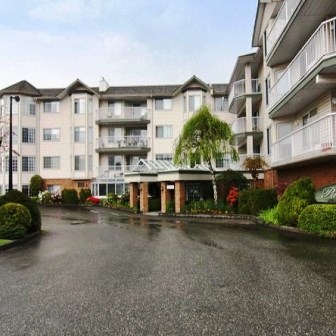
Option 1: Adult oriented complex/ community


A typical 1 level townhome in an adult oriented community

Adult oriented townhome


An Adult Oriented Apartment Building

Adult oriented apartment


If your health is fairly good and you may want to consider an adult oriented apartment or townhouse complex. 


  There are a number of nice gated adult oriented communities in in Langley that offer senior friendly townhomes.  Additionally there are also some nice adult oriented apartment buildings that are certainly an option for seniors.   

An important thing to consider when you are looking at this option is whether or not you require care assistance (such as a nurse or care aid) on a daily or weekly basis.  There are certainly government programs that can provide you with a very decent amount of care/assistance as well as some private companies that also offer care aids.  Generally the cost of government provided in-home care is based on your income, meaning of you have a large income you will pay more than if you have a smaller income.


If you have mobility of other health challenges there are other options besides an adult oriented townhome or apartment.  The next option is an independent living community:


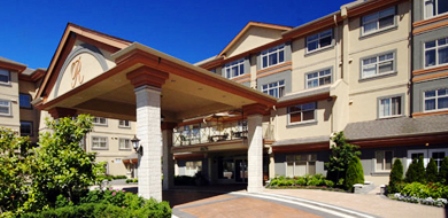
Option 2: Independent Living Community


An example of an independent living community

Independent living community


Independent living communities are available both with and without care assistance.   Independent living facilities offer apartments, along with meals or meal plans, laundry, housekeeping, concierge services, handyman services and usually the option for care on a pay for use basis.  Most are based on a rental for the apartment; however, some also offer the opportunity for ownership of the apartment.

If you think this option could be for you the next question is, should you rent or own an apartment in an independent living facility?  Here are some things you should to consider:


Renting:


Some advantages of renting…

-With independent housing your housing is integrated with a number of other factors such as: food, staff, entertainment, care and more.  The benefit to renting therefore, is that you will have the opportunity of determining whether the overall experience is to your satisfaction prior to your final decision.  With this in mind I would highly recommend renting at least for a while before making your final decision.

-The benefit to renting on an ongoing basis is simply that although the housing is what it is, staff can change and along with the changes so can the care and the food.  Renting allows you the flexibility to switch to other facilities should you decide you are no longer happy.

-Bear in mind that it has been the experience of many of our clients that have gone through this it takes at least six months to get used to a facility.  Also bear in mind that no facility is perfect and often if you are not happy with something about the facility you are in that there are often benefits to working with staff to correct it rather than simply changing.


Some disadvantages of renting…


-The disadvantage to ongoing rent is that typically rents increase overtime and therefore your housing costs can go up as does your need for additional income.


-The other thing to consider with renting on an ongoing basis is that the income necessary to pay the rent may be taxable depending on your tax situation whereas with ownership providing you purchase without a mortgage you will need less income to sustain your living expenses and therefore your tax burden may be lower.  When we were exploring this for our parents giving consideration to all of the factors they felt it was best for them to rent on an ongoing basis and we have found fianncial planners to be very helpful in working together with our accountants to structure a solution which mitigated the taxes payable on the income necessary to pay for their living expenses.


Ownership:


Some advantages of ownership are…


-Ownership allows you to fix your housing costs.  The cost of food and care may still go up but the costs of the housing portion of your requirements is fixed and again if you own clear title the need for additional income and the tax burdens associated with it are a non-issue.


-The other benefit for ownership is that at the end of when you will be staying in this location you or your families owns the property and are able to sell the property at whatever the current market value is at that time.  An accountant or financial planner can help you determine whether there are greater benefits in investing in the housing or other investments that may yield a greater return if this is the only decision in determining whether to buy or rent.


Some disadvantages of ownership are…


The disadvantage to ownership is the lack of flexibility.  This disadvantage goes both to the choice of the facility you will be moving to originally as well as to the ease of moving should you not be happy with some facet of your living situation.  Not all independent living communities offer the option to purchase and therefore if one desires the option to purchase it does limit the independent living communities that one can consider.


Whether you decide to rent or own in an independent living facility there are a number of such facilities in the Fraser valley to choose from.


If you feel you may require more care or assistance than either of these options can provide there is another option which is a full care facility.


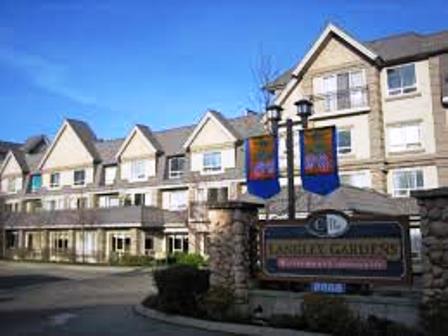
Option 3: Full Care Facility

An expample of a full care facility

Full Care facility


Full care facilities normally provide a room as well as the food and care on an all-inclusive basis.  This decision is normally predicated on the care requirements of the individual.  There are certainly a few options in the Fraser Valley to choose from in this category.


Downsizing Belongings:


Once you have determined the housing option that will best suit your needs, the next step is usually to downsize in to a smaller home that can serve your current needs.  There are a number of things to consider when you are downsizing such as…


Can you downsize yourself?


Can you get help from:

1.)    Family

2.)    Church or support group

3.)    Professional organizer


It is also important to realize that when you are downsizing you will not just be moving your furniture and possessions, you will have to decide which you can/ want to keep and what you must give away or throw out since your new home will likely not have space for all of your current belongings.  If this is an area you think you will need to hire a professional we can put you in touch with professional organizers that specialize in helping others downsize.


Choosing Where to Relocate


Determining where to relocate often involves giving consideration to:


A.            Near family or friends

B.            Near support community

C.            Near doctor or other professionals


What Are Your Goals?


The goal is usually to free up equity from your home to provide a simpler life, with your equity

 providing both a place to live and income. Additionally, most people desire to move towards a more maintenance free life with options for future care if not immediate care. 


Cooperation and professional advise is very important:


This transition often involves working together with family and professionals such as a lawyer, investment counselor/bank, doctors, accountant, realtor and care facilities and support workers to determine the income requirements, formulate a plan, and implement it.  The important thing is that you determine what your needs and goals are and then ask each type of professional how you can best accomplish your desired results. 


Conclusion:


We have helped many seniors to accomplish their retirement housing needs over the years and if you require any assistance in this process please let us know we would be happy to assist you with the real estate part of determining you retirement housing needs. We would also be happy to put you in touch with other professionals who can help with areas such as downsizing and organizing or estate planning etc…   Whatever you retirement needs are we will to help you accomplish your goals.  Even of you not ready to move yet we are happy to help you plan for the future. we can be reched through this website or you can phone us directly at 604-882-8384 we would be happy to assist you.


Sincerely,

Doug, Bonnie and David Mitten.

(Mitten Real Estate Team)

Read

Introduction:


As you may already know the housing market in the lower mainland and especially Vancouver is one of the more expensive in the world.  From time to time you may have asked yourself why that is?  That’s why this week at Mitten Real Estate Team we are going to look at some of the fundamental factors that contribute to the housing prices and popularity of the housing market in the lower mainland.


Constrained Geography:


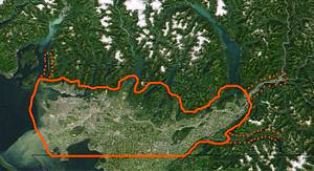
The Lowermainland


The First Reason that prices have risen in the lower mainland over time is that there is a limited amount of space for building.  Geographically the region is contained with mountains to the north and east, the U.S boarder to the south, the Fraser river runs through the middle taking up space and the Pacific ocean is located to the west.  Additionally, as a way to preserve farmland a large portion of the land in the Lower Mainland was designated as part of the Agricultural Land Reserve (ALR) many years ago. This of course further restricts the space available for development.  Thus as our population grows and more people want to live here the value of the land will increase over time.  Now this is not to say that an oversupply of certain types of housing in certain areas can’t happen short term, however long term the limited land area will support upward movement in prices long term especially as population increases.


International Trade


International Trade


With the lower mainland being located on the pacific coast of Canada, having a river running through it and having the U.S Boarder to its south it is only natural for this area to be a hub of international trade.  This trend has been accelerated in the past few decades as China and other countries in Asia gain importance in the world of international trade.  Thus, since we essentially live in a gateway city for international trade, the value of land here is going to increase as a result of the economic activity generated by trade.


Safe Geopolitical Environment:


Another very important reason why demand for housing in the lower mainland is strong is that our area is in a politically stable and is far away from any instability.  This is quite important because people naturally seek out safe areas of the world with relatively predictable laws.  And it is this stability that at least in part allows people to feel comfortable in spending large sums of money on housing and investing in housing, since they know they are investing in a safe area.


Good Weather


Good Weather


In B.C a lot of us like to complain that it rains a lot, however compared too many areas of the world and Canada, the climate in the lower mainland is very temperate, predictable and nice.  Yes it does rain a fair bit in the winter, however floods are relatively rare and large snow accumulation is also rare, making the mild winters easy to deal with.  Additionally, the summers are usually quite nice and sunny but temperatures rarely clime very high and drought is fairly rare.  Once more the spring and fall are quite mild with few severe storms. The reason for this is that the prevailing westerly winds passing over Pacific Ocean, then across the lower mainland are warmed by the water in the winter and cooled by it in the summer, resulting in a very nicely regulated climate that usually prevents extreme temperatures and extreme storms. Also since the ocean current that run by the lower mainland are coming from the north they do not allow this part of the ocean to heat up enough to develop hurricanes (except on very rare occasion).  The trade-off for all of this is of course a bit of rain in the winter.  This favorable climate helps drive the demand for housing in the region because not only is it nice weather for people to live in, but the weather does not generally interfere with the economy since extreme weather is historically rare compared to other regions, which encourages investment and economic activity in the region.


Beautiful Scenery:


BC Scenery


If you live in B.C seeing the ocean or a beautiful mountain vista, is probably a regular thing for you.  However, this is not so everywhere, and people are driven to these fantastic views.  This of course means people want to visit here, leading to economic activity from tourism.  Also lots of people want to live in a beautiful place which again fuels demand for housing in the region.  Oh and don’t forget the draw of all those ski mountains nearby, meaning you can live anywhere in the region and still ski regularly in the winter without a large drive.


Multi-Culturalism:


In addition to all of these other factors the lower mainland is very multi-cultural and welcoming to new immigrants to Canada.  As a result it is one of a few places in Canada that people newly arriving to the country are drawn to and of course that means they want to live here, which again drives demand for the housing market.


Foreign Investment:


For all of the reasons listed above, B.C’s lower mainland is a great place to live and has a lot of factors driving the housing market.  This of course naturally catches the attention of foreign investors who want to invest in a relatively safe area that has many positive attributes.  Many people complain about foreign investment ‘driving-up prices’, while it is true that foreign investment is a contributing factor to higher housing prices in the region, investors only invest here because of all of the other supporting factors and instead of being bitter about prices we could also be thankful as real estate owners/investors that there is a large pool of international investors willing to pay a fair amount for housing in the area which provides us with extra security against any large or fast price decreases and allows prices to be sustainable at higher levels than would otherwise be possible.


Conclusion:


While you may have sometimes heard talk of a ‘housing bubble’ in our area or prices are too high based on historical rent to price ratio’s, the consensus seems to be that the housing market in the lower mainland has so many positive factors driving demand that there is really no reason to fear any sort of housing crash in B.C.  Now this is not to say that we never see any corrections in housing prices but demand for housing in the region will always be driven by these positive fundamental factors which will support housing prices long term.  These positive factors are also the reason that the prices in the region are higher than other areas of Canada and yet are sustainable at those higher levels.


As always if you have any questions about this blog article or any other real estate related questions please feel free to contact us.  We can be reached through this website or you can phone us directly at 604-882-8384 we would be happy to assist you.


Sincerely,


Doug, Bonnie and David Mitten

Mitten Real Estate Team.

Read
Reciprocity Logo The data relating to real estate on this website comes in part from the MLS® Reciprocity program of either the Greater Vancouver REALTORS® (GVR), the Fraser Valley Real Estate Board (FVREB) or the Chilliwack and District Real Estate Board (CADREB). Real estate listings held by participating real estate firms are marked with the MLS® logo and detailed information about the listing includes the name of the listing agent. This representation is based in whole or part on data generated by either the GVR, the FVREB or the CADREB which assumes no responsibility for its accuracy. The materials contained on this page may not be reproduced without the express written consent of either the GVR, the FVREB or the CADREB.